
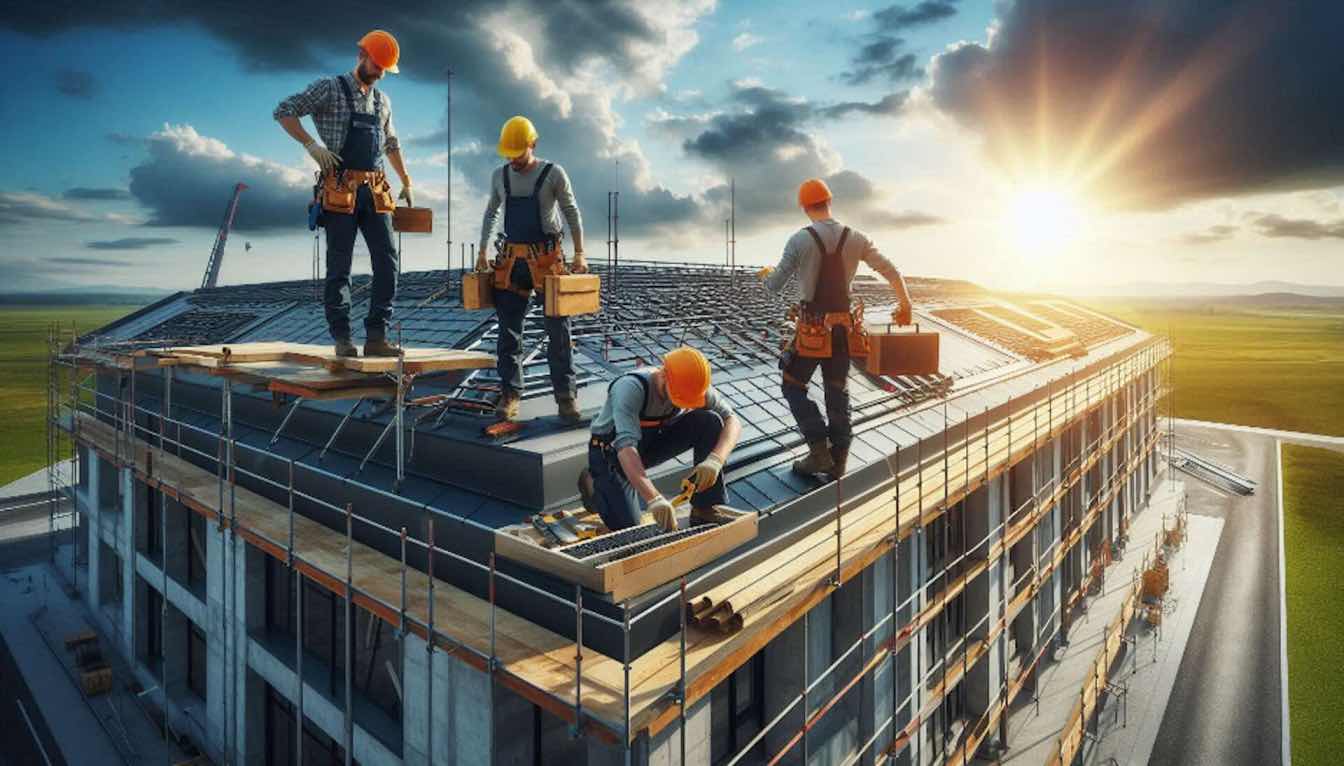
Selecting the appropriate roof for a commercial or industrial building is a significant decision. It directly affects your property’s safety, energy efficiency, operational reliability, and long-term maintenance costs. A roof is not just a protective covering. It plays a major role in how well a building performs under heat, rain, wind, moisture, chemical exposure, and daily business activity.
For commercial property owners, facility managers, and industrial operators, the right roofing system should match both the building structure and the nature of the work being carried out inside. When considering options for roofing Perth businesses should look at durability, compliance, weather resistance, insulation, maintenance access, and overall value. A well-selected roof protects assets, supports employee comfort, and contributes to the building’s long-term structural integrity.
The process of selecting a commercial roof involves evaluating several factors beyond the initial installation cost. You need to consider the building’s purpose, local climate conditions, industry requirements, and expected maintenance needs. A food processing plant, for example, will have different roofing priorities from a warehouse, logistics centre, agricultural facility, or retail outlet. Each industry presents unique challenges, from chemical exposure and moisture control to ventilation, insulation, and safe roof access.
Understanding Your Industry’s Needs
Before choosing a material, it is important to understand the specific requirements of your operation. A manufacturing facility may need a roof that can withstand high temperatures, equipment exhaust, and possible chemical fumes. In contrast, a refrigerated storage warehouse requires a roofing system with strong insulation performance to maintain stable internal temperatures and reduce energy consumption.
For agricultural buildings, durability and resistance to corrosion from fertilisers or animal waste are important. Hospitality venues might prioritise aesthetics and soundproofing to create a pleasant environment for guests. In many commercial projects, integrated systems such as Surespan roof and floor access are often considered to ensure safe and efficient maintenance access across different building zones. By defining your industry’s specific needs, you can narrow down the suitable roofing options.
Common Commercial Roofing Materials
Several roofing materials are widely used for industrial and commercial applications, each offering distinct advantages depending on the building type and operating environment.
Metal Roofing: Often made from steel or aluminium, metal roofing is known for its durability, long service life, and strong fire resistance. It performs well across different weather conditions, including heavy rain, strong winds, and high temperatures. Its reflective surface can also help reduce heat absorption, which may support better energy efficiency in warmer regions.
Membrane Roofing (TPO/EPDM): Single-ply membrane roofing systems are a common choice for large, flat, or low-slope commercial roofs. These materials are lightweight, flexible, and resistant to UV radiation, moisture, and certain types of chemical exposure. They are usually installed in large sheets, helping to minimise seams and reduce the risk of leaks.
Concrete Roofing: For some industrial buildings, concrete roofing provides excellent strength, fire resistance, and thermal mass. Although it is heavier than many other materials, it can help regulate internal temperatures naturally and provide strong protection for facilities with demanding structural requirements.
Insulated Roofing Panels: Insulated panels are often used in buildings where temperature control is important, such as cold storage facilities, food processing sites, laboratories, and climate-sensitive warehouses. They combine structural performance with insulation, helping to improve energy efficiency and internal comfort.
Making the Final Decision
Choosing the right roofing solution is an investment in your business’s future. The best choice should balance performance, budget, maintenance expectations, energy efficiency, and the specific needs of your industry. It is also important to think beyond the upfront price and consider the total cost of ownership, including installation, repairs, energy savings, and expected lifespan.
A roof that works well for one type of business may not be suitable for another. That is why professional advice is valuable when comparing materials, assessing building conditions, and reviewing compliance requirements. By selecting a roofing system that matches your industry, building design, and long-term goals, you can protect your property, reduce maintenance issues, and support smoother business operations.