

Social media can do far more than keep a brand visible. Used properly, it can shape perception, support customer trust, create demand, and give businesses a direct line into what their audience actually cares about. For companies running social channels for Asian brands, the strongest results often come from combining local cultural understanding with a clear content strategy, rather than simply posting more often.
Start With The Role Each Platform Plays
A common mistake is treating every social platform in the same way. The audience may overlap, but the reason people use each channel can be very different. Someone scrolling TikTok may want fast entertainment or discovery. A LinkedIn user may be looking for industry insight, professional proof, or business updates. Instagram often rewards strong visual identity, while Facebook can still support community engagement, local promotion and remarketing.
A useful strategy begins by deciding what each platform should do for the brand. One channel may be best for awareness, another for education, and another for direct response activity. This avoids the trap of copying the same post across every platform and hoping it performs.
For Asian markets, this becomes even more important because platform behaviour can vary widely between countries, age groups and sectors. What works for a lifestyle brand in Thailand may not suit a B2B service provider targeting regional decision-makers across Southeast Asia.
Build Around Audience Behaviour, Not Brand Convenience
Many businesses plan social content around what they want to say. Stronger brands plan around what their audience is likely to notice, save, share or act on. That does not mean chasing trends without purpose. It means understanding the questions, frustrations, aspirations and buying triggers that sit behind customer behaviour.
For example, a property brand might use social media to explain neighbourhood benefits, financing considerations and lifestyle value. A healthcare business may need to focus on trust, reassurance and clarity. A fashion brand might lean into styling, short-form video and creator-led content. A software company may perform better with practical tutorials, product comparisons and problem-led posts.
The content should still support commercial goals, but it needs to earn attention first. People rarely engage with posts that feel like internal announcements dressed up as marketing. They respond to useful, timely or emotionally relevant content that fits the way they already use the platform.
Balance Consistency With Flexibility
Consistency matters, but it should not become mechanical. A brand that posts three times a week with no clear point of view may still struggle to build momentum. A better approach is to create regular content pillars, then leave room for timely posts, campaign moments and audience-led ideas.
Content pillars might include education, product use cases, customer stories, behind-the-scenes activity, founder commentary, industry insight, promotions and community engagement. These pillars help keep planning organised, but they should not make every post feel predictable.
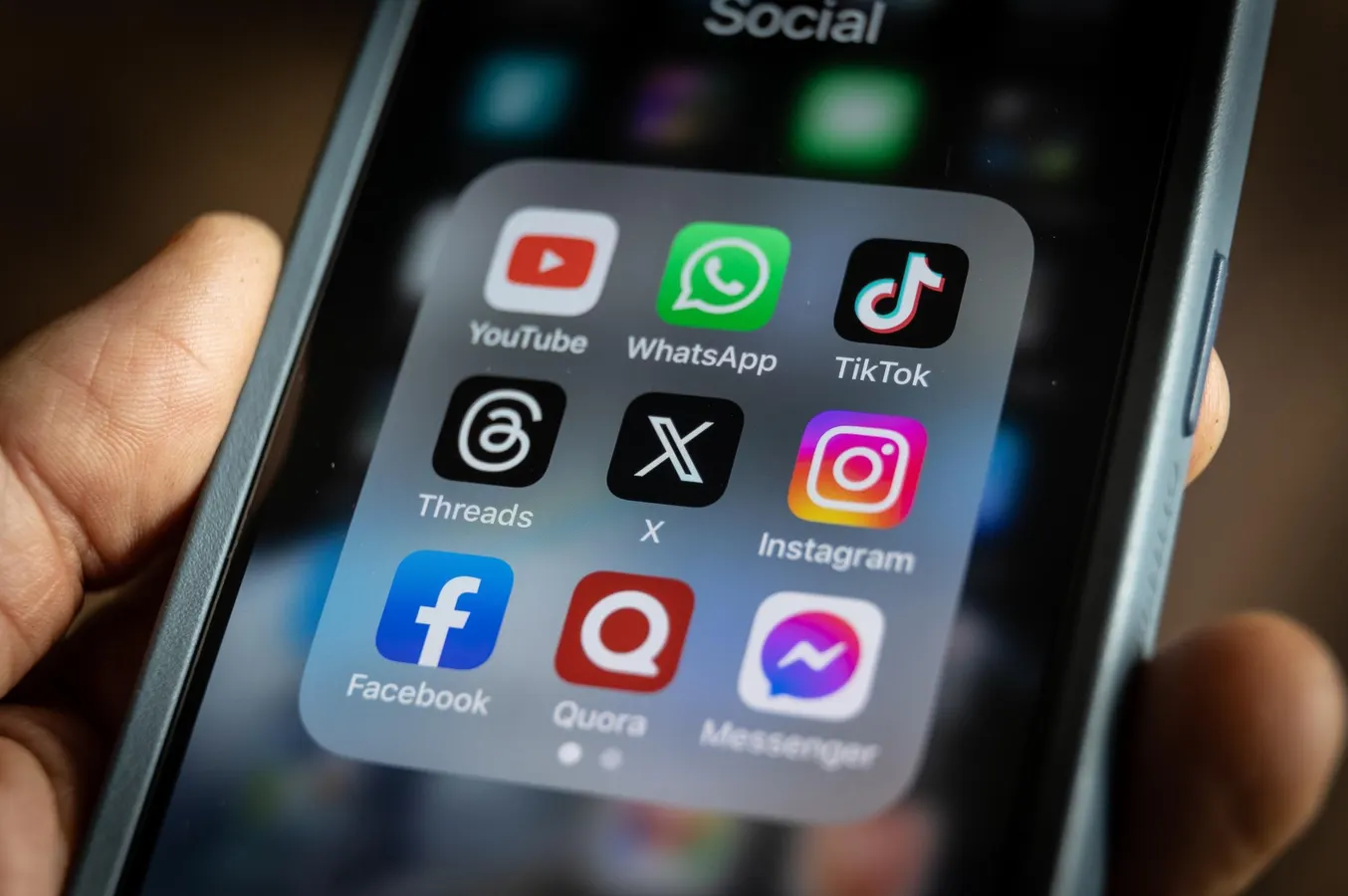
Flexibility is particularly valuable in fast-moving Asian markets, where cultural moments, local events, platform trends and seasonal campaigns can create short windows of attention. Brands that can respond quickly, while staying on tone, are often better placed to stand out.
Make Creative Work Harder
Good social media is not only about the caption. The format, opening frame, visual style, pacing and call to action all affect performance. A strong idea can underperform if the creative execution feels flat.
Short-form video, carousel posts, reels, stories and paid social assets each need different thinking. A video may need to communicate the hook within the first few seconds. A carousel must encourage people to swipe. A static post needs a clear visual hierarchy. Even small details, such as the first line of copy or the framing of a product shot, can change how people respond.
This is where testing becomes useful. Instead of guessing what the audience prefers, brands can compare formats, messages, creative angles and calls to action. Over time, social strategy becomes less subjective and more evidence-led.
Connect Social Activity To Wider Marketing Goals
Social media should not sit apart from the rest of a marketing strategy. It can support SEO by surfacing content themes, strengthen paid campaigns through creative testing, improve customer understanding, and help sales teams by building trust before direct contact happens.
The most effective brands treat social channels as part of a broader customer journey. A person may discover the brand through a short video, visit the website days later, read reviews, return through a paid ad, then finally enquire. Social may not always be the final click, but it can still play a valuable role in creating familiarity and confidence.
A strong social presence is built through clarity, relevance and repetition. Brands that understand their audience, respect platform behaviour and keep improving their creative output are far more likely to turn attention into meaningful commercial value.